
Acting Portfolio for Beginners: Everything You Need to Get Started

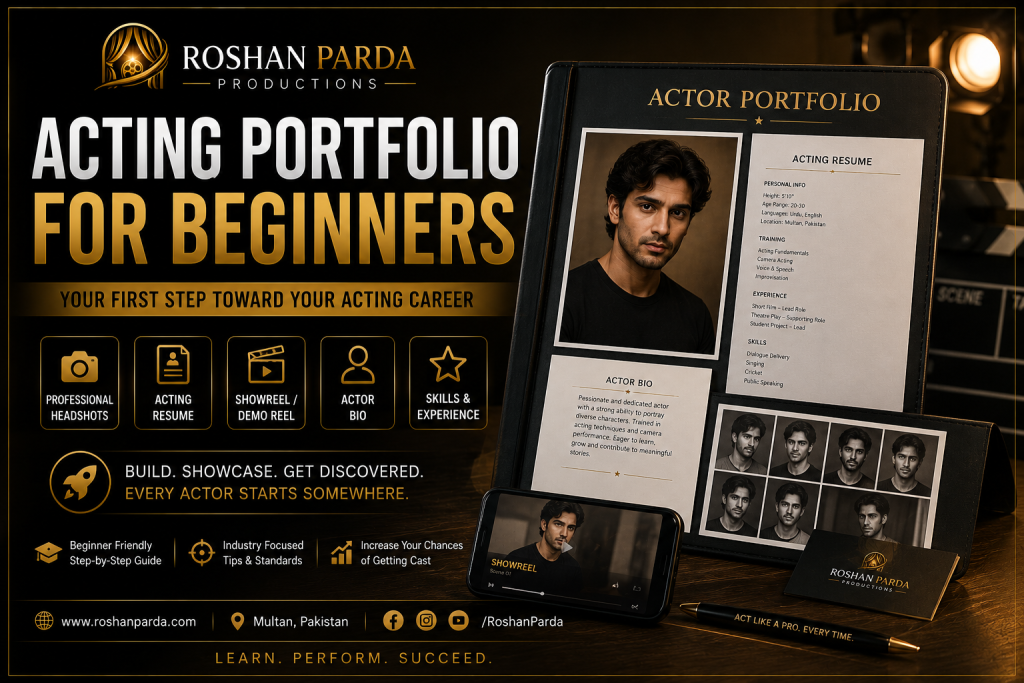
If you’re dreaming of becoming an actor, one of the first professional tools you’ll need is an acting portfolio. Whether you’re applying for auditions, joining an acting academy, approaching casting directors, or seeking representation, a well-prepared acting portfolio can help you make a strong first impression.
Many beginners believe they need years of experience before creating a portfolio. In reality, every aspiring actor should start building a professional portfolio as early as possible.
In this guide, you’ll learn exactly what an acting portfolio is, why it matters, and how to create one even if you have little or no acting experience.
What Is an Acting Portfolio?
An acting portfolio is a collection of materials that showcase your appearance, skills, experience, training, and potential as a performer.
Think of it as your professional acting profile. Casting directors, producers, talent agencies, and production companies often use portfolios to evaluate actors before inviting them for auditions.
Why Is an Acting Portfolio Important?
A professional acting portfolio helps:
- Create a strong first impression
- Showcase your skills and personality
- Increase audition opportunities
- Demonstrate professionalism
- Build credibility as an actor
- Support applications for acting roles
In today’s digital entertainment industry, having a portfolio is almost as important as having acting talent.
Essential Elements of an Acting Portfolio
1. Professional Headshots
Your headshot is often the first thing casting professionals see.
A good acting headshot should:
- Clearly show your face
- Use natural expressions
- Have professional lighting
- Avoid heavy editing
- Represent your current appearance
Headshot Tips for Beginners
- Wear simple clothing
- Avoid distracting backgrounds
- Use natural makeup
- Maintain eye contact with the camera
- Update photos regularly
Professional headshots can significantly improve your chances of getting noticed.
2. Acting Resume
An acting resume summarizes your experience and training.
Include:
- Full Name
- Contact Information
- Height
- Age Range
- Languages Spoken
- Special Skills
- Acting Training
- Workshops Attended
- Performance Experience
Even if you’re a beginner, include acting classes, workshops, school performances, and relevant creative activities.
3. Actor Bio
Your actor bio provides a brief introduction about who you are.
Example Structure
- Name
- Background
- Acting Interests
- Training
- Career Goals
Keep your bio concise and professional.
4. Showreel or Demo Reel
A showreel is one of the most valuable components of a modern acting portfolio.
A showreel demonstrates:
- Acting ability
- Screen presence
- Dialogue delivery
- Emotional expression
- Character versatility
Even beginners can create simple portfolio videos using monologues, short scenes, or student productions.
5. Skills Section
Casting directors often search for actors with unique abilities.
Include skills such as:
- Singing
- Dancing
- Public Speaking
- Martial Arts
- Sports
- Languages
- Voice Acting
- Hosting
Special skills can increase casting opportunities.
6. Social Media and Online Presence
Many casting professionals review an actor’s online presence.
Include links to:
- Personal Website
- YouTube
- Professional Portfolio Pages
Maintain a professional image across all platforms.
How to Create an Acting Portfolio with No Experience
One of the most common concerns among beginners is:
“What if I don’t have acting experience?”
The good news is that everyone starts somewhere.
You can build a portfolio by including:
- Acting classes
- Workshops
- School performances
- Monologues
- Self-tape auditions
- Student projects
- Practice scenes
The goal is to demonstrate potential, dedication, and willingness to learn.
Common Mistakes Beginners Make
Avoid these common portfolio mistakes:
Poor Quality Photos
Low-quality images can create a negative impression.
Exaggerating Experience
Always present truthful information.
Missing Contact Information
Ensure casting professionals can easily reach you.
Outdated Materials
Regularly update photos, resumes, and showreels.
Overly Long Bios
Keep information concise and relevant.
Digital Acting Portfolio vs Printed Portfolio
Today, digital portfolios are becoming the industry standard.
Digital Portfolio Advantages
- Easy sharing
- Professional presentation
- Accessible worldwide
- Video integration
- Quick updates
Most casting directors now prefer digital submissions.
Acting Portfolio Checklist
Before sending your portfolio, make sure it includes:
✅ Professional Headshot
✅ Acting Resume
✅ Actor Bio
✅ Showreel or Demo Reel
✅ Contact Information
✅ Special Skills
✅ Social Media Links
✅ Training Details
How Roshan Parda Productions Helps Aspiring Actors
Roshan Parda Productions supports emerging actors through acting education, talent development, and portfolio-building opportunities.
Students can develop:
- Professional Headshots
- Acting Showreels
- Portfolio Videos
- Camera Acting Skills
- Audition Preparation
- Performance Techniques
A strong portfolio can help aspiring actors present themselves professionally and prepare for future opportunities in film, television, and digital media.
Frequently Asked Questions
Do beginners need an acting portfolio?
Yes. Even aspiring actors with limited experience can create a basic portfolio showcasing their skills, training, and potential.
How many photos should an acting portfolio include?
Most beginners should start with 2–5 professional headshots representing different looks and expressions.
What is the most important part of an acting portfolio?
Professional headshots and a strong showreel are often the most influential elements.
Can I create an acting portfolio without professional experience?
Absolutely. Acting classes, workshops, self-tapes, and practice performances can all be included.
Final Thoughts
A professional acting portfolio is one of the most important investments aspiring actors can make. It showcases your talent, dedication, and readiness for opportunities in the entertainment industry.
Whether you’re preparing for your first audition or building a long-term acting career, creating a strong portfolio can help open doors and make a lasting impression on casting professionals.