Top Pakistani Classical & Cultural Dancers


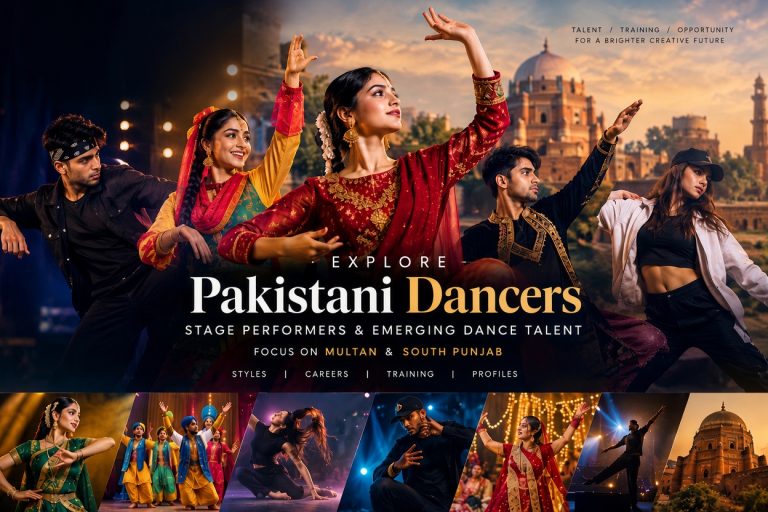
Pakistan’s classical and cultural dance heritage is a story of resilience, passion, and quiet defiance. Despite periods of social and political resistance, a handful of extraordinary artists kept the flame of Bharatanatyam, Kathak, and other traditional forms alive. These four pioneering women — Sheema Kermani, Nahid Siddiqui, Zareen Panna, and Indu Mitha — stand as the pillars of classical and cultural dance in Pakistan. Their lives and work continue to inspire new generations of dancers and academies across the country.
1. Sheema Kermani – Pioneer of Classical Dance & Founder of Tehrik-e-Niswan
Born in 1951 in Rawalpindi, Sheema Kermani (also spelled Kirmani) is one of Pakistan’s most respected classical dancers, choreographers, theatre practitioners, and social activists. She is best known for her mastery of Bharatanatyam and her deep engagement with Kathak and Odissi.
She began learning classical dance in the mid-1960s and later refined her skills in India under renowned gurus including Leela Samson (Bharatanatyam), Ram Mohan (Kathak), and Mayadhar Raut (Odissi). In 1979 she founded Tehrik-e-Niswan (Women’s Movement), a cultural action group that uses theatre and dance to advocate for women’s rights, peace, and social justice.
Sheema’s courageous performances during the restrictive Zia-ul-Haq era, her international tours, and her iconic Bharatanatyam sequence in the global hit Pasoori (Coke Studio) introduced classical dance to a new generation. She remains a living symbol of cultural resistance and artistic integrity in Pakistan.
2. Nahid Siddiqui – Globally Renowned Kathak Master
Nahid Siddiqui, born in 1956 in Rawalpindi, is widely regarded as Pakistan’s foremost Kathak exponent and one of the world’s leading classical dancers in the form. Daughter of veteran actress Talat Siddiqui, she trained under the legendary Baba Maharaj Ghulam Hussain Kathak in Pakistan and later under Pandit Birju Maharaj in India.
Her style uniquely blends traditional Kathak precision with Sufi and Islamic aesthetic influences, creating performances that are both mathematically intricate and deeply spiritual. She has performed for heads of state, at major international festivals, and on stages across Europe, North America, and the Middle East.
In 1994 she received Pakistan’s Pride of Performance award. Despite facing bans during the late 1970s, she continued performing and teaching, later establishing the Nahid Siddiqui Foundation and settling in the UK while remaining a powerful ambassador of Pakistani Kathak worldwide.
3. Zareen Panna – Classical Dancer, Film Star & Pride of Performance Recipient
Zareen Panna (born 1947 in Shimla, migrated to Karachi after Partition) is a celebrated classical dancer and former Lollywood actress who brought elegance and technical excellence to both stage and screen. She trained in Kathak, Bharatanatyam, and other forms under masters including Ustad Ghulam Hussain, Ustad Shadoo Maharaj, and Rafi Anwar.
At a remarkably young age she received the Sitara-i-Imtiaz in 1958 — one of the youngest recipients — and later the Pride of Performance in 2018. She performed for presidents, prime ministers, and international leaders, including at Mao Zedong’s palace in China and cultural festivals in Moscow.
Alongside her film career of over 50 movies, Zareen dedicated decades to teaching and choreographing at the Pakistan National Council of the Arts and Alhamra Arts Council in Lahore, ensuring classical dance reached younger students even when commercial forms dominated the industry.
4. Indu Mitha – Guardian of Bharatanatyam in Pakistan
Indu Mitha (née Chatterjee, 1929–2026) was a quiet revolutionary who single-handedly kept Bharatanatyam alive in Pakistan for more than seven decades. Born in Lahore into a Bengali Christian family, she trained in Delhi under teachers linked to Kalakshetra and later under Zohra Sehgal.
In 1951 she crossed the new border to marry Pakistani army officer Aboobaker Osman Mitha and brought Bharatanatyam with her. Against significant cultural resistance, she taught over 2,000 students, composed repertoire in Urdu, and established her school Mazmoon-e-Shauq. Her daughter Tehreema Mitha continues the lineage as an accomplished Bharatanatyam dancer and choreographer.
Indu received the Pride of Performance in 2020. Her lifelong commitment proved that classical South Indian dance could take root and flourish on Pakistani soil.
Their Enduring Legacy
These four artists did more than master technique — they created space for classical and cultural dance in a society that often viewed it with suspicion. Through teaching, performing, choreographing, and activism, they ensured that Bharatanatyam, Kathak, and related forms survived periods of prohibition and neglect.
Today their students and the new generation of academies across Multan, Lahore, Karachi, and Islamabad continue the work they began. Their stories remain essential reading for anyone interested in the history, resilience, and future of dance in Pakistan.
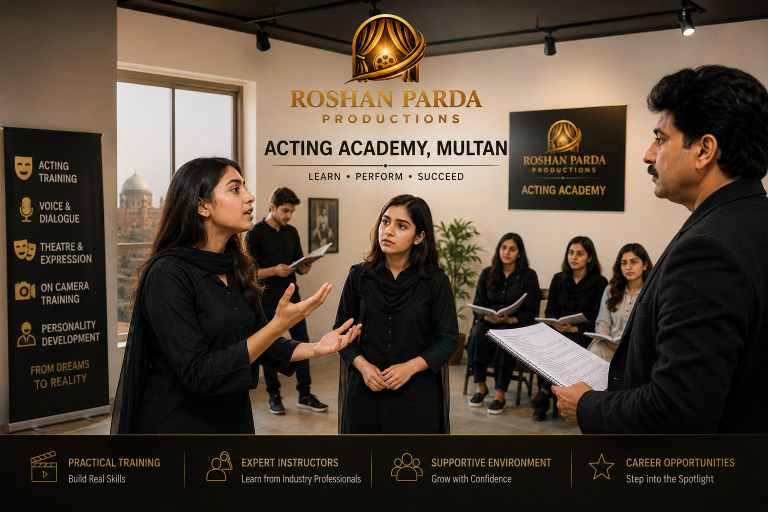
If you feel inspired by these legends and want to begin or deepen your own journey in classical, cultural, or contemporary dance, explore the professional training environment at Roshan Parda Dance Academy Multan. You can view current dancers associated with the academy here and apply to join classes through the official registration page: Join Dance Academy in Multan.