How to Ace Your First Acting Audition: A Step-by-Step Guide for Freshers in Pakistan


Entering your first acting audition can be exciting, but it can also feel intimidating. Many aspiring actors worry about forgetting lines, feeling nervous, making mistakes, or not knowing what casting directors expect.
The truth is that every professional actor has faced their first audition. Casting directors understand that beginners are still learning, but they also look for preparation, professionalism, confidence, and potential.
If you’re searching for information about acting auditions for freshers in Pakistan, this guide will walk you through the audition process step by step and help you approach your first audition with greater confidence.
Understanding How Acting Auditions Work in Pakistan
Acting auditions are an essential part of the casting process for:
- Television dramas
- Films
- Short films
- Web series
- Commercial advertisements
- Digital productions
- Corporate videos
- Creative content projects
During an audition, casting professionals evaluate whether an actor is suitable for a particular role. They may assess:
- Dialogue delivery
- Emotional expression
- Camera presence
- Confidence
- Voice quality
- Character interpretation
- Professional attitude
Remember that auditions are not only about talent. They are also an opportunity to demonstrate your ability to take direction and work professionally.
Prepare Before Audition Day
Preparation often separates confident performers from nervous beginners.
Before attending an audition, spend time understanding:
- The project
- The role
- The character’s personality
- The scene requirements
- The audition instructions
Carefully read any information provided by the casting team.
Research the Character
Ask yourself:
- What does the character want?
- What emotions are involved?
- How would this person speak and behave?
- What is happening in the scene?
Understanding the character can improve your performance significantly.
Learn How to Slate Properly
One of the first things many casting directors request is a slate.
A slate is a brief on-camera introduction that usually includes:
- Your full name
- Your age range
- Your city
- Your profile views if requested
Example of a Simple Slate
“Hello, my name is Ahmed Khan. I am from Multan and I am auditioning for the role of Ali.”
Slating Tips
- Smile naturally
- Maintain eye contact with the camera
- Speak clearly
- Avoid rushing
- Keep it professional
A confident slate creates a strong first impression.
How to Handle Audition Nerves
Feeling nervous before an audition is completely normal.
Even experienced actors feel pressure before important auditions.
Practical Ways to Reduce Nervousness
Arrive Early
Give yourself enough time to settle in.
Practice Breathing Exercises
Slow breathing can help reduce anxiety and improve focus.
Focus on the Scene
Instead of worrying about the outcome, focus on performing the scene truthfully.
Accept Imperfection
No audition is perfect. Casting directors often look for potential rather than flawless performances.
Stay Present
Concentrate on the moment instead of imagining future results.
Confidence grows through experience and preparation.
Understand the Basics of Cold Reading
Many freshers encounter cold reading auditions.
A cold reading occurs when actors receive a script shortly before performing it.
How to Approach a Cold Read
Read the Scene Carefully
Understand the context before performing.
Identify the Character’s Objective
Determine what the character wants in the scene.
Highlight Emotional Shifts
Notice changes in mood or energy.
Avoid Memorization Pressure
Focus on understanding rather than memorizing.
Listen and React Naturally
Authentic reactions often matter more than perfect delivery.
Casting directors understand that cold reading tests adaptability, not perfection.
Practice Self-Tape Auditions
Many auditions in Pakistan now take place through self-tapes.
A self-tape is a recorded audition submitted digitally.
Self-Tape Best Practices
Use Good Lighting
Ensure your face is clearly visible.
Choose a Neutral Background
Avoid distractions behind you.
Record Clear Audio
Poor sound quality can affect your audition.
Frame the Shot Properly
Typically, chest-up framing works best unless otherwise requested.
Follow Instructions Carefully
Always respect submission guidelines.
Self-taping has become an important skill for modern actors.
Learn Proper Audition Etiquette
Professional behavior can influence how casting teams perceive you.
Audition Etiquette Guidelines
Be Punctual
Arrive on time or submit self-tapes before deadlines.
Be Respectful
Treat everyone professionally.
Follow Directions
Demonstrate that you can take feedback.
Avoid Overacting
Authenticity is often more effective than exaggerated performances.
Stay Positive
Maintain a professional attitude regardless of the outcome.
The entertainment industry values reliability and professionalism.
What Casting Directors Often Look For
Many beginners assume casting directors only look for perfect performances.
In reality, they often evaluate:
- Potential
- Authenticity
- Confidence
- Camera presence
- Adaptability
- Professionalism
- Ability to take direction
Even if you do not receive a role, a strong audition can create future opportunities.
Common Audition Mistakes Freshers Should Avoid
Arriving Unprepared
Preparation increases confidence.
Ignoring Instructions
Always follow audition requirements.
Memorizing Without Understanding
Focus on character motivation, not just words.
Speaking Too Fast
Clear delivery improves communication.
Giving Up After Rejection
Rejection is a normal part of every actor’s journey.
Most successful actors have experienced countless auditions before securing major roles.
How Acting Training Can Improve Audition Performance
Professional acting training helps aspiring actors develop skills that are directly relevant to auditions.
These include:
- Camera acting techniques
- Scene study
- Dialogue delivery
- Emotional expression
- Character development
- Self-tape preparation
- Audition confidence
Actors who regularly practice audition scenarios often feel more comfortable when opportunities arise.
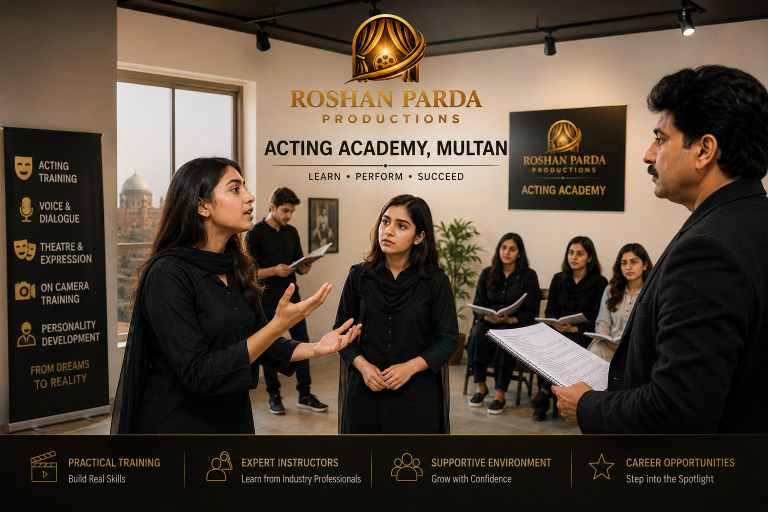
You can learn more about professional acting training through Roshan Parda Productions’ Acting Academy:
Build Long-Term Audition Confidence
Every audition teaches valuable lessons.
Whether you receive the role or not, each experience helps you:
- Improve performance skills
- Build confidence
- Understand industry expectations
- Expand your professional network
- Become more comfortable in front of the camera
The goal is not simply to book one role. The goal is to develop the skills needed for a sustainable acting career.
Ready to Improve Your Audition Skills?
Acting auditions require more than talent. They require preparation, confidence, technique, and professional presentation.
We don’t just teach acting; we teach you how to perform effectively in real audition environments.
If you’re serious about improving your audition skills, developing camera confidence, and preparing for professional opportunities, explore our training programs and upcoming classes.
Learn more about our Acting Academy:
https://www.roshanparda.com/acting-academy-multan/
Apply for upcoming acting classes:
https://www.roshanparda.com/join-acting-academy/
Final Thoughts
Your first acting audition may feel intimidating, but it is also an important step toward building experience and confidence.
Preparation, professionalism, and consistent practice can significantly improve your performance. Focus on learning, stay committed to improvement, and remember that every successful actor once stood exactly where you are today.
The more auditions you attend, the more comfortable and capable you become.